Das NarrenschiffXX
Кто взял находку и унёс,И мнит: «То Бог мне в дар принёс», —Тот чёрту в сети душу снёс.
Wer etwas fyndt / vnd dreit das hynVnd meynt gott well / das es sy synSo hat der tufel bschyssen jn
He that ought fyndyth outher by day or nyghtUsynge it as his owne, as thynge gottyn iustlyAnd thynketh that he so may do by lawe and rightSuche is disceyuyd, and thynketh wrongfullyFor why the deuyll our goostly ennemyDoth hym so counseyll and in his erys bloweDisceyuynge in his bondes, as he doth many mo
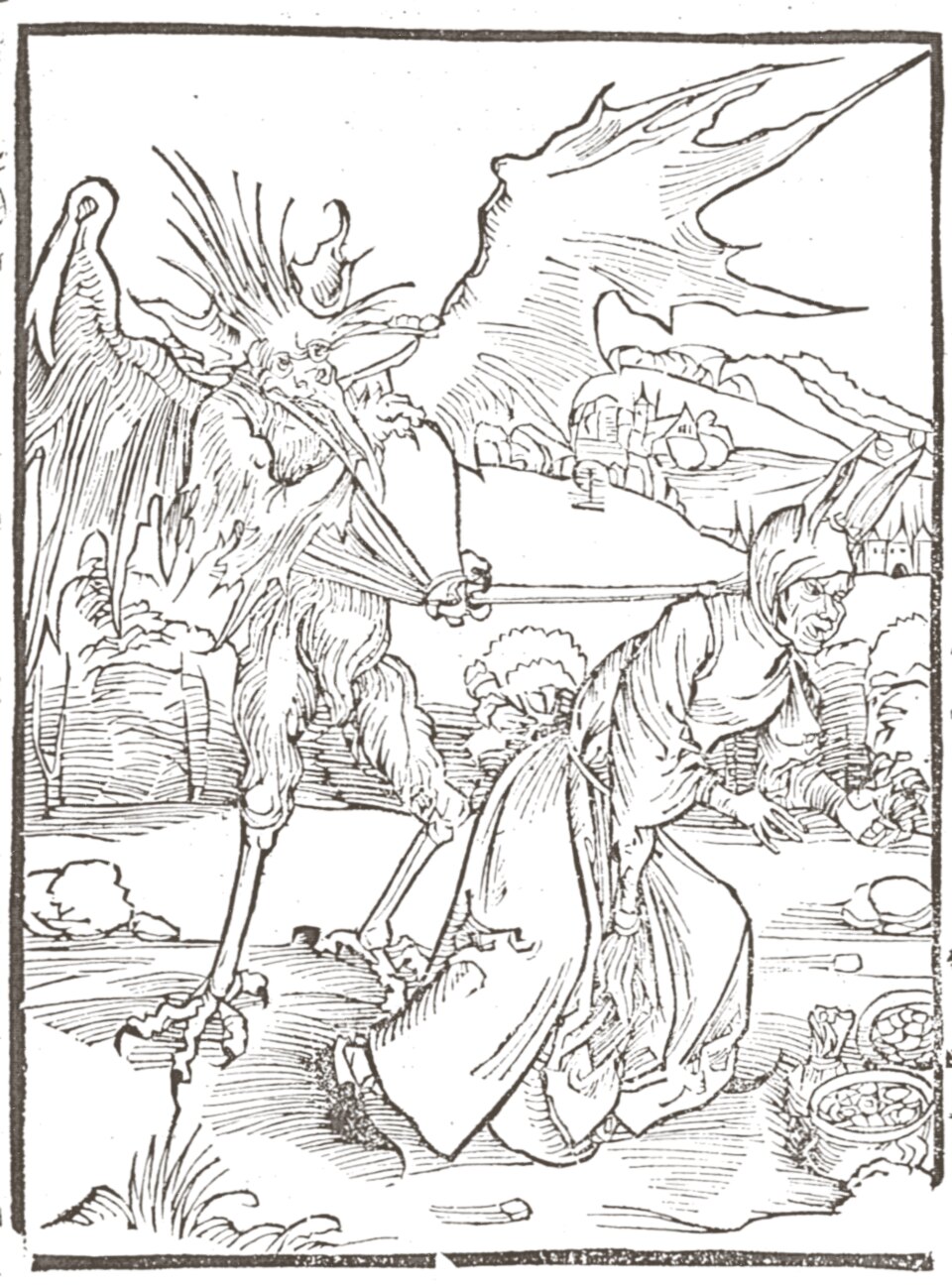
Of hym that fyndeth ought of another mannys it nat restorynge to the owner
О найденном кладеOf Finding Treasure
Von schatz fynden❦
XXО найденном кладеOf Finding Treasure
Дурак, кто, вещь найдя, с тех пор
Умом слепой, несёт свой вздор:
«Мне это Богом суждено,
А чьё оно — мне всё равно».
Кто сам зерна не рассевал,
Тот жать и права не стяжал.
Пусть всякий знает, в ком есть честь:
Хозяин у находки есть,
Раз вещь, он знает, не его.
Нужда не значит ничего,
Пусть невзначай нашёл — и что ж?
Верни владельцу, что найдёшь,
Коль знаешь, кто её лишён,
Иль отпрыскам, коль умер он.
А коль не сыщешь их никак,
Пусть этим будет сыт бедняк,
Иль ради Господа раздай —
В своём дому не оставляй:
Оно ведь краденому ровня;
За грех такой в огне жаровни
Немало грешных душ в аду,
Где трут и тех, кто не в поту.
Ахан сокрыл чужой предмет
И свой народ довёл до бед,
А сам нежданный принял суд:
Без жалости камнями бьют.
Кто малый груз взвалить готов,
Тот взял бы больше, будь улов.
Нашёл, ограбил ли — равно:
Бог видит сердца глубь и дно.
Уж лучше вовсе не найти,
Чем, взяв, назад не принести.
Что найдено да в дом пришло,
Назад выходит тяжело.
Der ist eyn narr der etwas fyndt
Vnd jn sym synn ist also blindt
Vnd spricht / das hat mir got bschert
Ich acht nit wem es zuo gehoert /
Was eyner nit hat vß gespreyt
Das ist zuo schnyden jm verseit
Eyn yeder wisß by siner ere
Das das eym andern zuo gehoer
Was er weiß das es syn nit ist
Es hilfft nit / ob jm schon gebrist
Vnd er es fyndet on geuerd
Er luog das es dem wider werd
Weißt er jn / des es ist gesyn
Oder geb es den erben syn
Ob man die all nit wissen kan
So geb man es eym armen man
Oder sunst durch gotts willen vß
Es soll nit bliben jn dym huß
Dann es ist ab getragen guott
Dar durch verdampt jn hellen gluott
Gar mancher vmb solch sünden sitzt
Den man offt ribt / so er nit schwitzt /
Achor behielt das nit was syn
Vnd brocht dar durch das volck jn pyn
Zuo letst wart jm / das er nit meynt
Do man on baermung jn versteynt /
Wer vff sich ladt eyn kleyne bürd
Der naem eyn grosser / wen es jm würd /
Fynden vnd rouben acht got glich
Dann er dyn hertz an sicht vnd dich
Vil waeger ist gantz fynden nüt
Dann fundt / den man nit wider gitt
Was man fyndt vnd kumbt eym zuo huß
Das kumbt gar vngern wider druß
The feruour of ryches and disordred loue
Whiche many haue, doth me bynde and constrayne.
Within my shyp them sharply to reproue
That pen nor hande, themselfe wyll not refrayne
Of couetyse nowe I wyll nat speke agayne
But of them that kepeth by force and by myght
That thynge wherto they haue nat come, by ryght
Some fyndeth treasours other mennys good
And in theyr owne vse suche good they occupy.
Whiche of theyr myndes ar so blynde and wode.
And so reted in theyr errour and foly
That oft they say (say) ye and dare byde by
That some saynt whome they worshypped haue
Haue sende, them the same theyr honestee to saue
They haue no force nor care, nor they none haue wyll
To whome the ryches so loste dyde apertayne
That fortune hath gyuen they holde fast and kepe styll
Neuer hauynge mynde it to restore agayne
Suche folys fere no thynge euerlastynge payne
Nor note nat, that without true restytucion
It small auayleth to haue made confessyon.
Here me fole with thy immoderate mynde
Here me and do thy herte therto aply
If thou by fortune any ryches fynde
Callynge it thyne: thou lyest therin falsly
If thou haue wyt thou canst nat well deny
But that gode nat gyuen, nor gottyn by laboure
Can nat be rightwyse: thus mende thy blynde erroure
If thou ought fynde that longeth nat to the
Than is it anothers, the case is clere and playne
Wherfor thou ought of lawe and of dewte
Unto the owner it soone to yelde agayne
But if he be dede, to whome it dyd attayne
Thou ought nat yet to kepe it nere the more.
But to his sectours or heyres it restore
Put case that they also be past and dede
Yet ought thou nat to keep it styll with the.
The lawe commaundyth, and also it is mede.
To gyue it to suche as haue necessyte.
With it releuynge theyr paynfull pouertee
And so shalt thou discharge thy conseyence.
Helpynge the pore, and auoyde great offence
But he that others godes tourneth to his owne vse
Spendynge and wastynge that thynge that neuer was his
Suche certaynly his reason doth abuse
And by this meane greuously doth amysse
Wherby he lesyth eternall ioy and blysse
His soule drownynge depe within hell flodes
For his myspendynge of other mennys goodes
But to be shorte, and brefe in my sentence
And sothe to saye playne as the mater is
Forsoth I se nat right great difference
Bytwene a thefe, and these folys couetys
Both wrongly kepeth that thynge that is nat his
Thynkynge that god doth nat therto aduerte
Whiche notyth thy dedys, thy mynde thought and herte
Wherfore if thou haue a rightwyse conscyence
Thou wylt nought kepe whiche longeth nat to the
The lawe so commaundeth in payne of great offence
For of gode that thou kepest agaynst equyte
Thou shalt make accompt after that thou shalt dye
To thy great payne in hell for euer more
If thou no restytucion make before.
Here myght I touche executours in this cryme.
Blamynge theyr dedys dysceyte and couetyse
If it were nat for wastynge of my tyme
For mende they wyll nat them in any wyse
Nor leue no poyntes of theyr disceytfull gyse
Let them take parte of that whiche I here note
And be partynge foles in this present bote.
The enuoy of barklay the translator to the folys
Ye false executours whome all the worlde repreuys
And ye that fynde mennes goodes or treasoures
I call you as bad as robbers or theuys
For ye by your falshode and manyfolde errours
Kepe falsly that thynge whiche is none of yours
And wast here the goodes of hym that is past
The soule lyeth in payne, ye take your pleasours.
With his ryches, damnynge your owne soule at the last
Alexander Barclay, The Shyp of Folys of the Worlde, London, 1509 — вольное переложение королевской строфой, с «посланиями» переводчика.a free version in rhyme royal, with the translator’s own envoys.
· XX ·